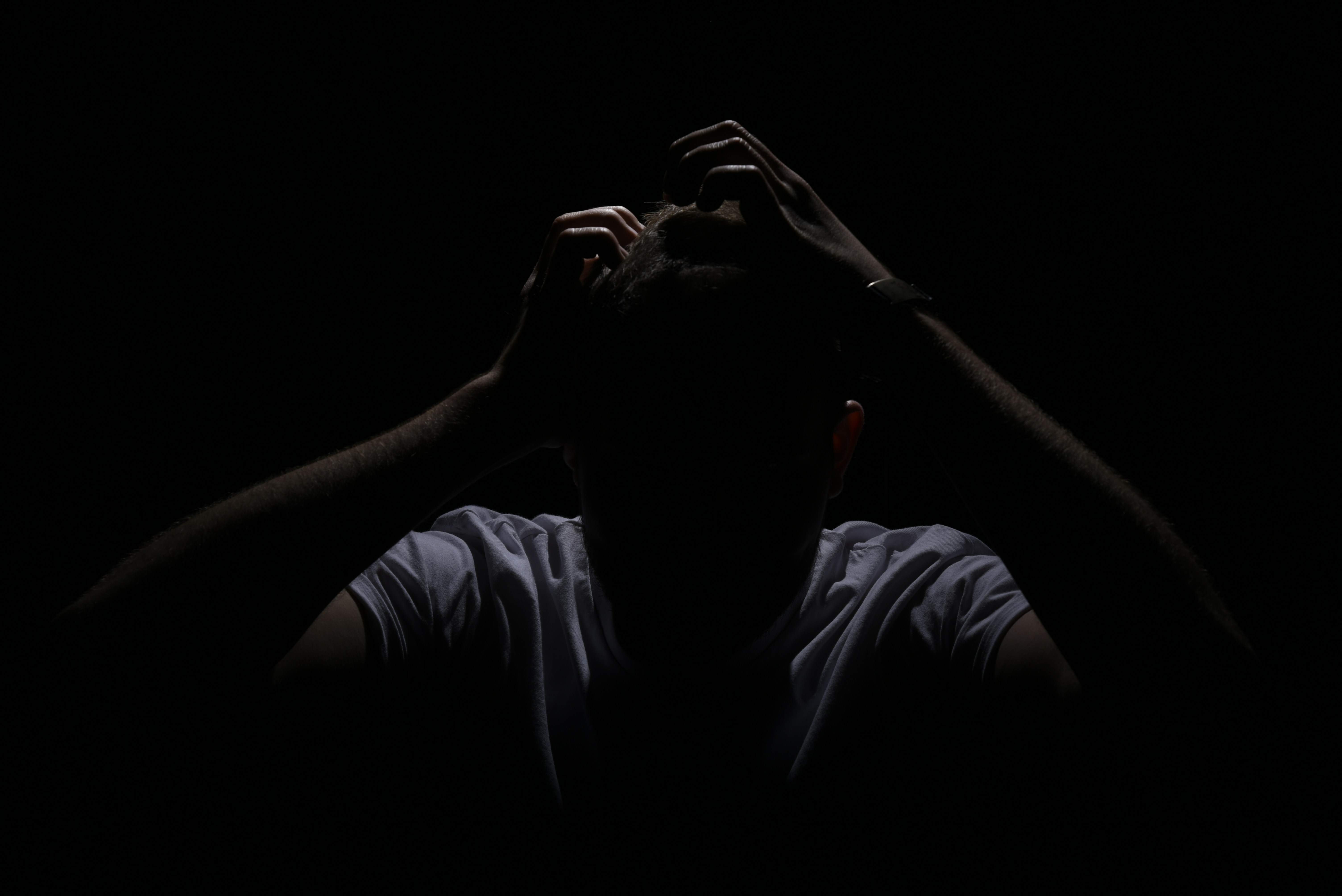
I awaken in a cold sweat.
It’s the middle of the night, and my heart is racing.
The darkness of the night feels heavy, suffocating.
God feels impossibly far from me.
Or rather, I feel impossibly far from God.
Fear devours my mind.
I wrestle with consciousness, longing for the relief of sleep.
A reprieve from the darkness that has consumed my mind.
The night wears on and I remain paralyzed by fear.
Maybe I’ve died and didn’t know it.
Maybe this is Hell.
In my second year of Seminary, I went through a very difficult season of my life and faith journey—one in which I found myself nearly incapacitated by doubt and fear. It was a season that wrecked me. For weeks on end my mind was consumed by fear and anxiety, terrorized by disturbing thoughts that injected fear into the very core of my being. During that time I questioned whether I was losing my mind, considered whether I should check myself into a mental hospital, and after day upon day of a relentlessly racing pulse I even overcame my dislike for visiting the doctor in order to get my heart checked out. I’ve alluded to this season of my life in another post; and learning to lament as a means of remaining connected with God through a difficult season is one of the lessons I learned from that experience. But for years I’ve avoided writing openly about what I experienced in that season—part of me ashamed that my faith could be so shaken, part of me afraid that the fear might return.
I am no stranger to anxiety. It has been an unwelcome companion—to varying degrees—for most of my adult life. The unreasonable stress that accompanies just about any phone call, the tightening of my throat and racing heart that accompanies public speaking, the pit in my stomach when a friend seems a little bit “off”, the incessant worrying that I’ve left something on in my apartment that will burn down the whole building. The list could go on and on. Anxiety is a pretty normal part of my life; something that I’ve learned to manage, cope with, and power through when necessary.
But this. This was different.
This wasn’t just anxiety about something I did or something needed to do. It was a fear that struck to the core of who I was. It challenged my most fundamental beliefs about myself, and my relationship with God.
Fear tried to tell me that I was unlovable.
Fear tried to tell me that I was broken beyond repair.
Fear tried to tell me that I was cut off from God.
I’ve never known a deeper sense of dread and despair.
I remember feeling like my entire life had been turned upside down, and I wasn’t sure there was a path through. As the days and weeks stretched on, I started to sense that there would be no going back to the way life was. And I was right.
While on the surface it felt like the fear was attacking my beliefs about who I was, it was doing so through distortions in the way that I viewed and understood God—distortions I wasn’t even aware of. These weren’t issues of stated theology or doctrine, I had taken theology classes (I was in seminary for crying out loud!) and could tell you all the right things about God.
And I believed that I believed those things.
But fear served to expose the deeper discrepancies between my stated theology (what I said that I believed about God), and my lived theology (what my life revealed about how I viewed Him and my relationship with Him). That’s not a comfortable thing to face, but things started to change once I stopped focusing on what the fear was saying about me and started to consider what the fear was revealing about what I really believed about God. Things started to change when I held the light of Truth up to the lies—even the lies I was unwittingly living.
Fear doesn’t need to lie about me, there is enough truthful fodder there to fuel the fires of anxiety for the rest of my life. But as Christians our peace does not come from feeling better about ourselves and coming to believe we’re “not all that bad”—it comes from knowing the truth about God.
“What comes into our minds when we think about God is the most important thing about us […] and the most portentous fact about any man is not what he at a given time may say or do, but what he in his deep heart conceives God to be like. We tend by a secret law of the soul to move toward our mental image of God.” – A.W. Tozer, The Knowledge of the Holy
Here are some of the realities that I had to face:
- I would have said that I believed that God was gracious and merciful; yet my life revealed that I often viewed God as a harsh judge just waiting for my next misstep.
- I would have said that I believed that God was loving; yet my life revealed that I viewed God as distant and uninterested.
- I would have said that I believed that God was forgiving; yet my life revealed an inclination to hide and cover my sin rather than going to God with it.
Especially when you’ve grown up in the church, it can be scary to even acknowledge that something might be off—to admit to having doubts or questions, or that we may not have it all figured out. But as long as I refused to confront these distortions I lived a divided life, with knowledge in my head that never made its way down into my heart. Instead of just pretending that everything was ok because I knew all the right things to say, I needed to take off the mask and face things as they really were. As Mark Buchanan puts it in his book The Holy Wild, “False things must shatter before real things shine through” (p. 65).
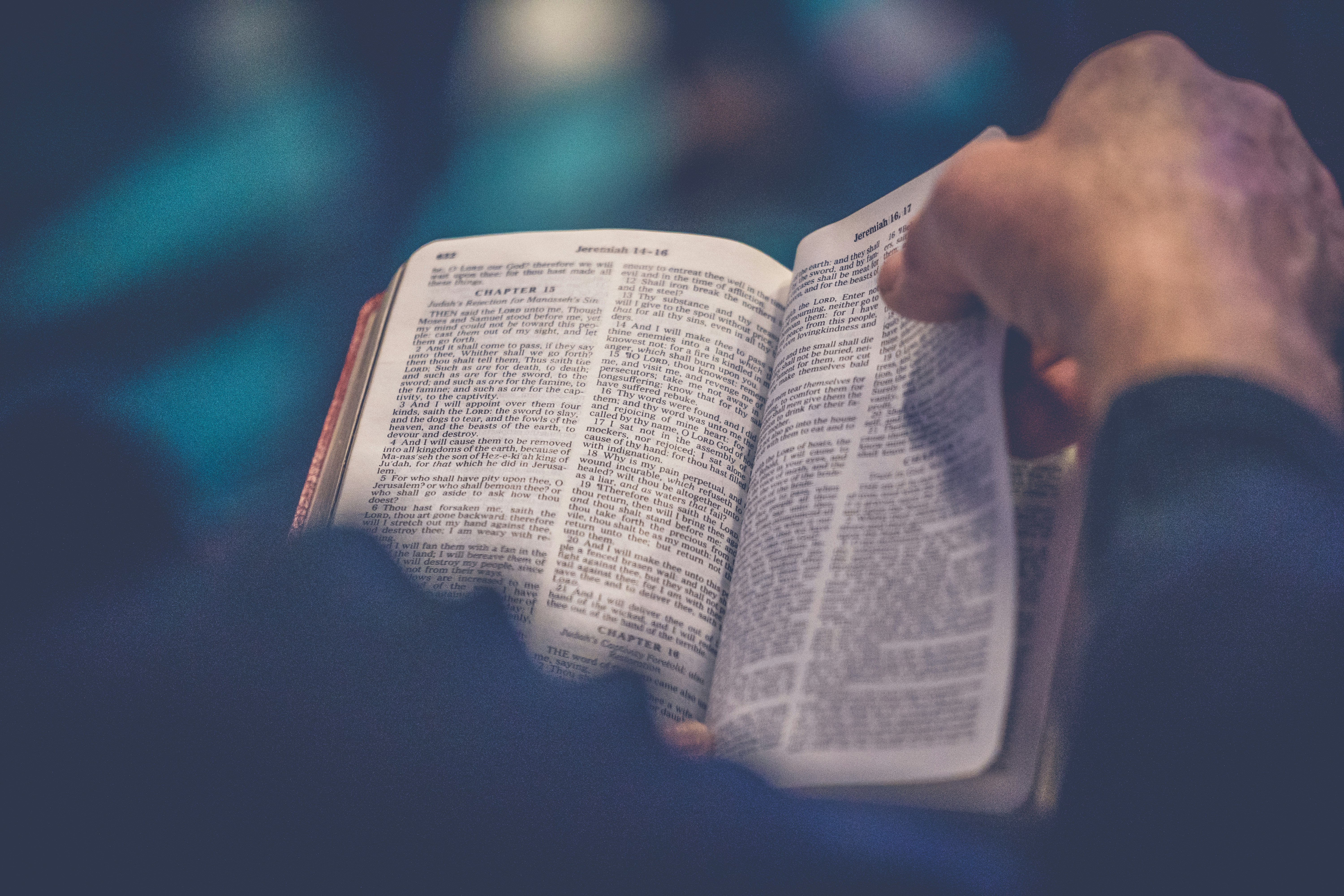
Fear served as the catalyst to shatter the distorted and false views of God that had unwittingly taken up residence in my heart, so that I could come to see God more clearly and truly know Him as He really is. Fear spoke the language of lies, amplifying the lies that were hidden away in the dark corners of my heart. And as those lies came up against my stated beliefs in ways that I couldn’t ignore, I had to choose which side I was really going to believe. Only this time being able to say all the right things and have knowledge of all the right answers wasn’t going to cut it—those truths needed to make their way into the very core of my being. Rather than merely assenting to their validity, I needed to take them up as weapons and wage war against the lies. I didn’t need to just know them, I needed to really and truly base my life upon them.
In God’s faithfulness I believe He allowed the fear to serve as a refining fire; leaving me forever changed on the other side of that experience. The lessons God taught me in that season seem innumerable. But among them are a few that stand out—lessons that I have had to return to again and again, but that have borne wonderful fruit in my life. In the next few posts I’m going to endeavor to share them with you, believing that I’m not the only one who may wrestle with these things. I acknowledge that my understanding is far from perfect. In the years that have passed since that time, I have caught glimpses of understanding and have sought to capture them to the best of my ability. But the workings of God are so far beyond our comprehension that I could never even dream of claiming an authoritative perspective on what He was doing in my life in that season, or of how best to explain or describe it. So the reflections I have offered here I offer in humility, and in faith that God will use them according to His will and discard all the rest. I pray that in these reflections you would find encouragement to seek the Lord in every season.


I love hearing about how God is speaking to you and using you. Looking forward to reading your next posts!
LikeLike